

A small detail.
A whole personality.
A clear silhouette, a carefully chosen colour and a small change in expression can give a character a personality. Anime art uses these choices in many ways, from quiet pencil studies to detailed digital illustrations.
Look beyond the finished picture. The pose, lighting and composition each tell part of the story. Understanding those choices helps you plan a drawing of your own or explain what caught your attention.
Working with a familiar character? Our guide to anime fan art looks at keeping a character recognisable while finding your own interpretation.
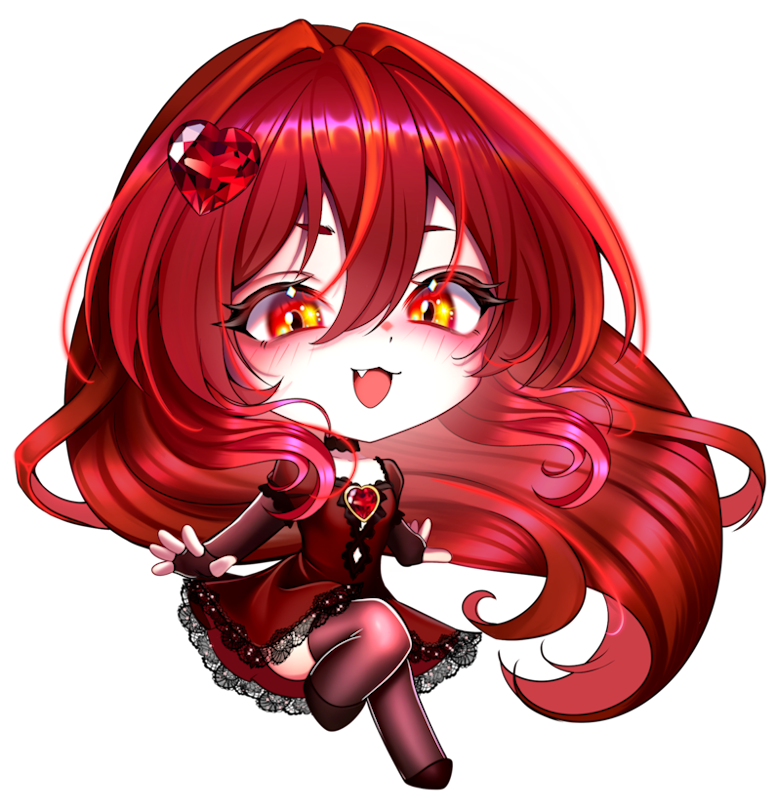
Shape and expression
Look at the pose, outline and direction of the eyes. Can you read the mood before noticing the smaller details? A tilted head or relaxed shoulders may say more than an elaborate costume.
Colour and light
Follow the brightest and darkest areas. A small warm accent can draw attention within a cool palette, while soft transitions can give an otherwise simple scene a quieter atmosphere.
Framing and space
Consider the crop and the room around the subject. Empty space can give a gesture room to breathe. A tighter frame can make the same gesture feel more immediate.
Line and texture
Compare crisp outlines, rough sketch marks and painted edges. These are different ways of directing attention, rather than a ladder from unfinished to better.
One subject,
three moods
A short drawing exercise to turn observation into practice.
Draw the same simple portrait three times. Keep the pose and clothing, but change the expression and lighting: calm daylight, a warm evening and a cool rainy scene. Work small so that you focus on the main shapes instead of polishing individual strands of hair.
Compare the results at thumbnail size. Choose one change that reads clearly and one that disappears. That gives your next study a concrete question to answer.
When you ask someone to look at the results, a specific question helps. The art community guide shows how to ask for feedback and make your own observations useful.