

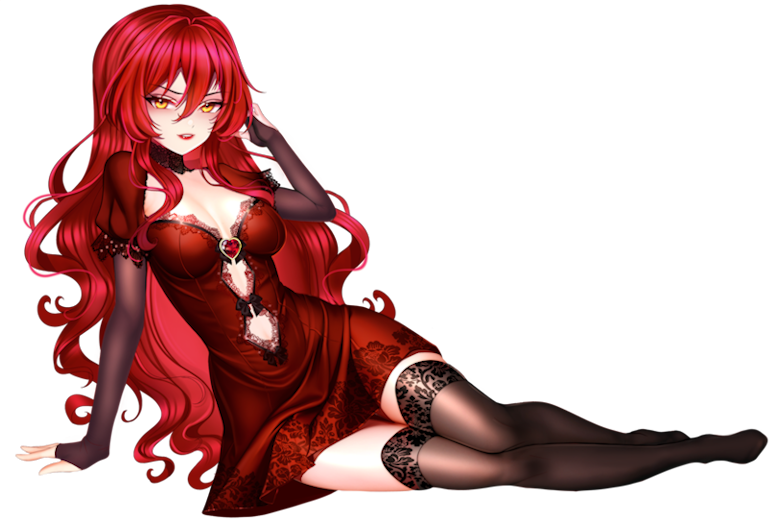
Familiar characters.
Your own interpretation.
Anime fan art starts with a character or world you already know. Your contribution might be a different expression, an imagined everyday moment, a new outfit or a completely different drawing style.
Start with one question: what would you like to show about this character that is not already visible in the reference?
The same choices of shape, colour and composition matter here as in any anime illustration. A familiar subject gives you a starting point, not a finished answer.
Keep the recognisable details
Pick a few defining features, such as a hairstyle, a colour combination or a familiar accessory. You do not need to copy every detail for the subject to remain recognisable.
Choose what changes
A new setting with a familiar costume tells a different story from a familiar setting with a redesigned costume. Change one main element at a time so that your idea is easy to read.
Fan art or an
original character?
Tell viewers where the character comes from and which ideas are yours.
Fan art refers back to an existing work. An original character begins with a character you created, although the drawing can still use an anime-inspired visual style. Describing that distinction helps viewers understand which parts of the design are yours.
For an original character, a short note about their role, personality or setting often adds more than a long list of visual details. For fan art, name the character and the series before describing your interpretation.
A title that says something
Use the character's name and the idea behind the scene. A title such as “Evening sketch of my original character” gives a viewer more context than “New image”. Avoid adding unrelated names just to appear in more searches.
A description with context
Mention the source work, your technique and the choice you wanted to explore. Identify references and other contributors clearly, and distinguish your own work from material you are sharing with permission.
Make the process clear
Explain whether this is a sketch, a finished piece or a study. If AI tools were part of the process, say how you used them. Check that the title, description and tags match what is actually in the image.
Ask a useful question
If you want feedback, name one area you are working on, such as the pose or lighting. Our guide to conversations about art gives examples of questions and responses that help an artist move forward.